
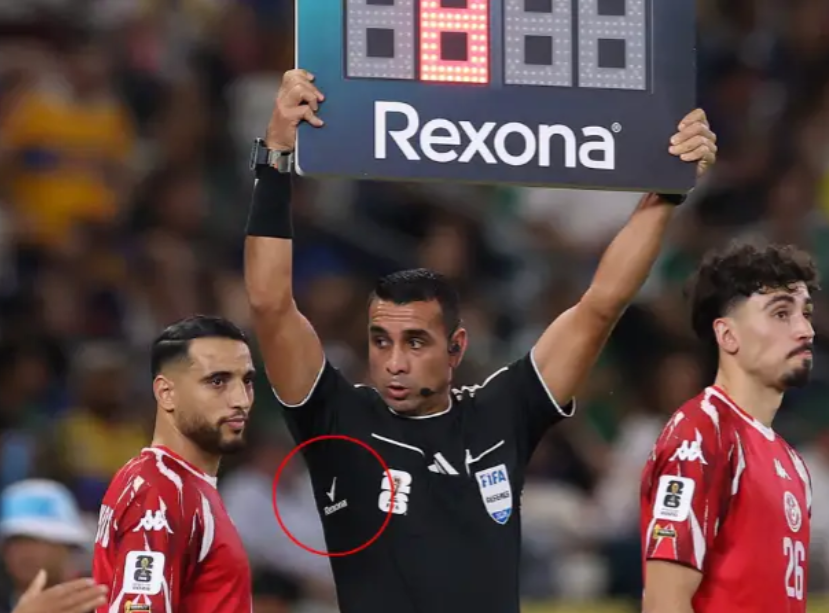
It's anticipated that approx 6 billion people are watching the World Cup right now. 16 global sponsors are jostling for attention. Some in slightly more annoying ways than others (hydration breaks anyone?) IMO the best sponsorship placement at the World Cup isn't even on a player. It's in the referee's armpit.
Rexona has their logo placed directly under the sleeve of every match official's jersey. The logo is hidden 95% of the game. But the second a ref raises their arms for a yellow card, foul or substitutions - boom.
It's contextual advertising at its best. A logo seen by everyone, all the time, gets ignored. A logo seen by everyone, only at the exact moment it's relevant, gets remembered. The placement only works because of the action. No arms up, no ad. Rexona's whole pitch is that their deodorant "won't let you down" when the heat is on - and there's really no better visual proof.
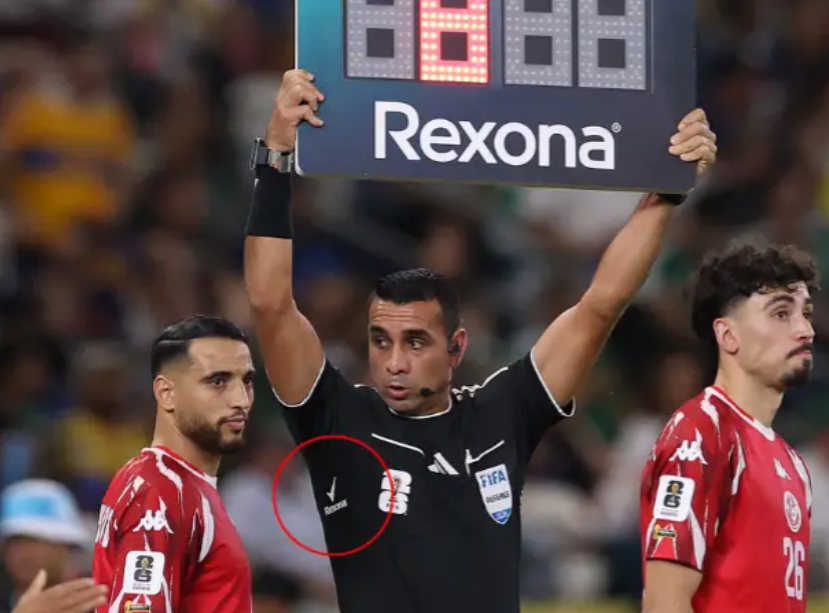
And before writing it off as a gimmick, it's tried and tested with the 'pitvertising' campaign for a previous cricket season (but who watches that? 😁) that saw a 10% uplift in sales and 1.35 billion views in Australia (proof that if you're not in the target market, you can still ignore even the best ad 🙃).
So what can we learn from this?
1. Context beats reach.
A logo seen by everyone, all the time, gets ignored. A logo seen by everyone, only at the exact moment it's relevant, gets remembered. Rexona didn't just buy visibility - they bought a moment.
2. The product and the placement should tell the same story.
This only works because it's a deodorant logo on an armpit. If it were a bank logo there, it'd just be weird. The smartest placements don't need explaining - the medium is the message.
3. Scarcity creates attention.
Hidden for 90% of the game, visible for 10%. That contrast is what makes people notice and talk about it. Constant exposure (like a jersey sponsor) becomes wallpaper. Occasional, triggered exposure becomes a moment.
4. Earned media can outperform paid media.
The cricket season execution generated 1.35 billion views and 55 million media impressions - most of that wasn't Rexona buying ad space, it was people talking about it, replaying it, and journalists writing about it. A genuinely clever idea spreads itself.
5. Unconventional doesn't mean low-value - it can mean higher value.
When the agency pitched the idea to Cricket Australia, the organisation reportedly didn't even know how to price it - there was no existing rate card for "armpit." That's often where the best ROI hides: in ad space nobody's thought to monetise yet, because nobody's thought to look there.
6. Repetition has diminishing returns; surprise doesn't.
Rexona didn't need to outspend rival sponsors plastered across the ground. They needed one unexpected idea, executed consistently, to outperform brands with ten times the media budget.
Sometimes the smartest media buy isn't the biggest one. It's the one that finds the one spot on the field nobody else thought to use - and having the courage to sell it into stakeholders.
PS I'd love to see the rate card for 'pitvertising'